

Data Breaches
Data breaches are a form of identity theft. With your personal information in hand, identity thieves can open credit accounts in your name and quickly incur substantial charges for which you may be held financially responsible. Often, the account statements are directed to an address other than the consumer to avoid detection. The savvy consumer will regularly check their credit reports to assess whether a creditor is attempting to hold them responsible for accounts which they did not open.
Were you a victim of a data breach? If so, check your credit reports as one method to detect whether your information was used to open credit accounts. Visit annualcreditreport.com for free credit reports or purchase them directly from each bureau’s website (Equifax.com Experian.com TransUnion.com Innovis.com)
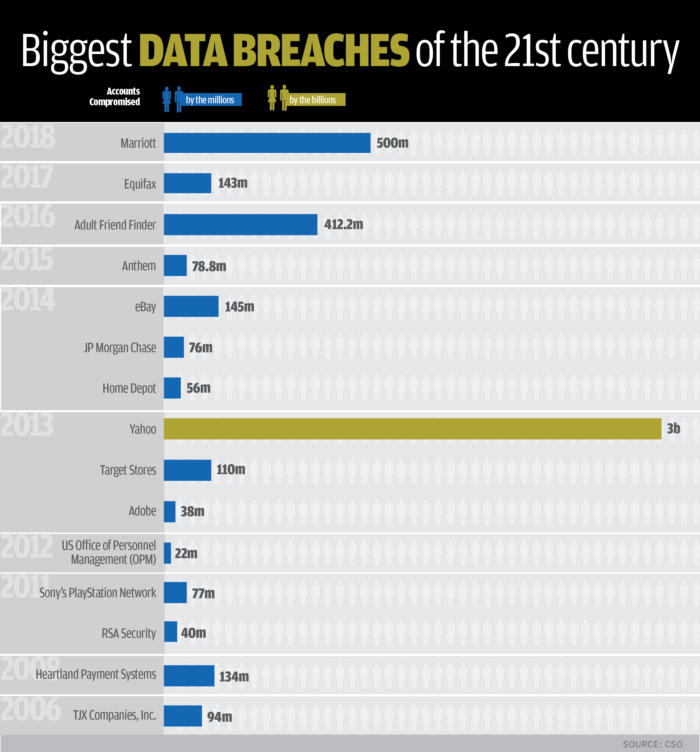
Note the magnitude of impact on literally hundreds of millions of people:
What to do if you suspect you are the victim of a Data Breech
The firm encourages consumers to follow these steps:
- check your credit reports now — an ID thief may have stolen your information already and used it to access credit in your name
- free reports are available at annualcreditreport.com
- if your reports do not show any unfamiliar accounts, continue to check your credit reports on a regular basis
- if you do find unfamiliar accounts on your report, contact us immediately
our firm can guide you through the dispute process- when that process fails, we represent consumers on a contingency basis to obtain a permanently corrected report and compensation.
FAQs: Data Breaches
What is a data breach?
A data breach occurs when sensitive personal information, such as Social Security numbers or passwords, are accessed without authorization. This often leads to identity theft, scam attempts or unauthorized accounts appearing on your credit report.
How do data breaches affect my credit report?
Stolen data can be used by thieves to open fraudulent accounts in your name. These unauthorized accounts may then appear on your credit report, which can lower your credit score and harm your reputation.
Can I get post-breach added accounts deleted?
Yes. If unauthorized accounts appear due to a breach, you have the right to dispute them as identity theft. By submitting an identity theft report or a police report with your dispute, you can request that the credit bureau “block” this information from appearing on your credit file.
What do I do immediately after a data breach?
Order all three credit reports to check for unauthorized activity. You should also consider placing a “security freeze” or “fraud alert” on your file to prevent new accounts from being opened .
Will a credit freeze stop identity theft?
A security freeze prohibits the bureau from releasing your report for new credit applications, which effectively stops thieves from opening new lines of credit in your name.
Can I get compensation if a company did not keep my information private?
Possibly. If a company’s negligence led to a breach that caused you harm (such as identity theft), you may have legal recourse. You should consult with a consumer attorney who can evaluate if a class action or individual lawsuit is appropriate.
Awards & Memberships







How a Data Breach Can Affect Your Credit Report
Data breaches are no longer rare news stories — they’ve become part of everyday life. When a company you [...]
How Data Breaches Can Tank Your Credit Score—And What to Do About It
Data breaches are not just tech jargon or scary headlines—they’re a direct hit to your wallet. Picture this: hackers [...]