Author Archives: Credit Report Law Group

How to Fix Background Check Errors: A Step-by-Step Game Plan

background check errors

Background checks are used in job screenings, housing applications, and even loan approvals. But what happens when the report is wrong?

A surprising number of people find themselves unfairly denied employment or housing because of background check mistakes. These errors can range from simple data entry problems to more serious issues like mistaken identity or outdated criminal records. If you’ve been rejected because of inaccurate information in a background report, it’s important to know that you have legal rights—and a path to fix it.

Understanding Why Background Check Errors Happen

Background check companies gather information from a wide range of public and private databases. But the process isn’t perfect. A record might be pulled under the wrong name. A dismissed charge may still appear as a conviction. A sealed or expunged record could resurface. In some cases, the criminal history of someone else with a similar name or Social Security number is added to your file.

These mistakes can be devastating. Employers and landlords often make quick decisions based on background reports, and you may never get the chance to explain the error before you’re turned away.

Step 1: Request a Copy of the Background Report

If you’ve been denied employment, housing, or credit because of a background report, you have the right to see it. Under the Fair Credit Reporting Act (FCRA), the company that used the report must provide you with a copy and the name of the screening agency that created it.

Reviewing the actual document is the first and most important step in identifying what went wrong.

Step 2: Identify Any Inaccuracies

Once you have the report in hand, go over every section carefully. Keep an eye out for:

  • Records that don’t belong to you
  • Arrests that didn’t lead to convictions
  • Sealed or expunged records that still appear
  • Duplicate entries
  • Outdated information or items past the reporting limit
  • Incorrect dates or charges
  • Errors in employment, address, or education history

Even small mistakes can raise red flags for employers. Be as thorough as possible.

Step 3: Dispute the Errors with the Screening Company

Once you’ve found the inaccuracies, you have the right to dispute them directly with the background check provider. This process must be done in writing. Your dispute letter should clearly explain what’s wrong and include any documents that support your claim, such as court records or identification documents.

Under the FCRA, the background check company must investigate your claim—usually within 30 days—and notify you of the outcome. If the error is confirmed, they must correct it and send you an updated report.

Step 4: Inform the Employer or Other Decision-Maker

As soon as you file your dispute, you should notify the company that made the decision based on the incorrect report—such as a potential employer or landlord. Let them know that you’re working to correct the issue and request that they delay any final decision until the investigation is complete.

Employers are legally required to give you time to resolve the matter before making a final employment decision.

Step 5: Keep Detailed Records of Everything

Throughout this process, save copies of all communications, documents, and responses. Make notes of the dates you sent or received any correspondence. If the background check company fails to investigate, takes too long to respond, or refuses to correct the mistake, you may need to escalate the matter.

Step 6: Consider Legal Help If the Error Isn’t Resolved

If the dispute process doesn’t lead to a resolution—or if the mistake costs you a job, apartment, or loan—you may be entitled to legal compensation. An attorney who focuses on FCRA violations can help you assert your rights and may be able to recover damages for lost wages, emotional distress, or reputational harm.

You shouldn’t have to suffer because of someone else’s error.

You Have the Right to an Accurate Background Report

Mistakes in background checks are more common than many people think—and they can have serious consequences. But the law is on your side. You have the right to challenge inaccurate or unfair information and have it corrected.

If your future is being held back by background check errors, take action now with Credit Report Law Group. You don’t have to face it alone.

Fixing Credit Report Errors and Protecting Yourself from Identity Theft

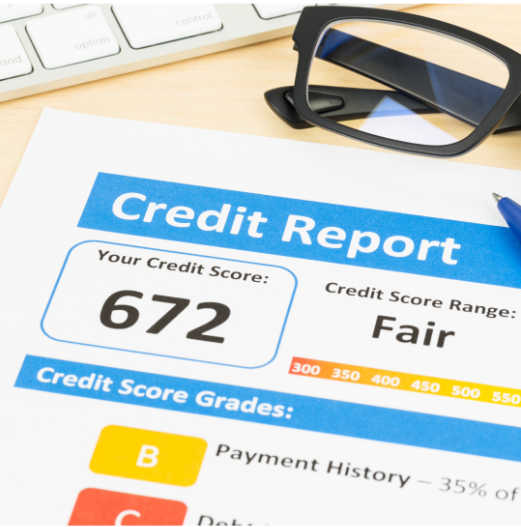
person reviewing credit report with concern

Mistakes on your credit report aren’t just annoying—they can cost you real money. Whether it’s a loan denial, a surprise drop in your credit score, or bills from accounts you didn’t open, these errors can leave you dealing with long-term financial consequences. In many cases, the root cause is identity theft—or a simple mistake that never got fixed.

Knowing your rights, and how to act on them, can help you set things right.

When Errors Go Beyond Typos

It’s not unusual to find outdated or inaccurate information in your credit file. Maybe your name is spelled wrong, an account was marked “late” when it wasn’t, or you’re listed at an address you’ve never lived at. These details might seem harmless—but lenders don’t see them that way.

Worse, if you notice accounts you never opened or debts that don’t belong to you, it could be a sign that someone has stolen your identity.

Here are a few warning signs that something may be wrong:

  • Credit cards or loans you didn’t apply for
  • Collections notices for debts you don’t recognize
  • Sudden changes in your credit score
  • Lenders pulling your credit without your request
  • Personal info—like your address or Social Security number—listed incorrectly

These issues can derail job applications, rental agreements, or major purchases if not resolved quickly.

How Identity Theft Happens (and What It Looks Like)

Identity theft doesn’t always start with a big hack. Sometimes, it’s as simple as someone stealing mail from your mailbox or phishing for personal data online. Once they have your information, they can open credit lines, take out loans, or rack up charges in your name.

The damage might not show up until months later—often when you apply for credit or get a call from a debt collector.

Your First Steps Toward Fixing It

Start by pulling your credit reports from all three major credit bureaus: Equifax, TransUnion, and Experian. You’re entitled to one free report per year from each bureau at AnnualCreditReport.com. Check each one carefully for red flags—like unknown accounts or incorrect payment statuses.

If you notice anything suspicious, act quickly:

  1. File an identity theft report at IdentityTheft.gov
  2. Place a fraud alert or freeze on your credit
  3. Contact the companies where the fraud occurred
  4. Dispute incorrect items with the credit bureaus

Make sure to keep a paper trail. Save all your letters, reports, and documentation.

Your Rights Under Federal Law

You don’t have to fight these issues alone. The Fair Credit Reporting Act (FCRA) gives you the right to:

  • Dispute inaccurate information
  • Have incorrect or unverifiable data removed
  • Be notified of the results within 30 days
  • Sue credit reporting agencies or furnishers who break the rules

If your dispute is ignored, if the investigation is sloppy, or if the same mistake keeps showing up, you may be able to take legal action. That can include actual damages, legal fees, and in some cases, additional compensation.

When to Get Legal Help

Fixing errors isn’t always simple. Sometimes, credit bureaus don’t investigate properly. Other times, lenders “verify” accounts without checking their records. This can leave you stuck—especially if it keeps happening.

An attorney who knows the FCRA can help by:

  • Writing effective dispute letters
  • Demanding full investigations
  • Holding credit bureaus and furnishers accountable
  • Filing lawsuits when necessary

Most attorneys in this space offer free consultations, and many don’t charge unless you win.

Keeping Future Problems at Bay

Once your report is fixed, staying vigilant is key. Protect yourself by:

  • Checking your reports regularly
  • Using two-factor authentication
  • Shredding financial mail
  • Being cautious with what you share online
  • Signing up for credit monitoring if needed

Catching small problems early can help you avoid big ones down the road.

If you’re struggling with inaccurate credit reports or signs of identity theft, don’t ignore it. These problems can follow you—and affect your creditworthiness for years. Federal law gives you tools to protect your name, your finances, and your future.

To learn more about how to fix credit reporting issues and protect your identity, visit the Identity Theft and Credit Report Errors resource page.

How Data Breaches Can Tank Your Credit Score—And What to Do About It

Data breaches are not just tech jargon or scary headlines—they’re a direct hit to your wallet. Picture this: hackers sneak into a company’s database, grab your Social Security number, maybe a credit card or two, and off they go to the dark web. Next thing you know, your credit score is in freefall, and you’re left picking up the pieces of a financial mess you didn’t make. But here’s the thing—you don’t have to just sit there and take it. Knowing what’s at stake and acting fast can make all the difference. Let’s dig in.

How does this even happen? Well, it’s not complicated, but it’s ugly. Once your info is out there, criminals can do all sorts of damage—open fake accounts, pile up debt, even file tax returns in your name. Those misdeeds show up on your credit report as delinquent accounts or random inquiries you never authorized. And just like that, your score can drop 50, 100, or more points, depending on how deep the fraud goes. Remember the 2023 AT&T breach? Millions of customers had their personal details splashed across the internet, leaving them sitting ducks for identity theft. Not a great spot to be in.

Now, let’s talk about why a trashed credit score matters—because it’s not just a number on a screen. A lower score can mean higher interest rates on loans, rejected credit applications, or even trouble finding a place to live. And here’s something most people don’t think about—some employers, especially in fields like finance or security, check credit reports as part of their hiring process. The Bureau of Labor Statistics backs this up, noting it’s common in certain industries. Fixing this mess? It’s not like spotting a typo on your bank statement. Errors from identity theft can stick around, dragging your finances through the mud for years if you don’t tackle them head-on.

So, what’s your first move? Monitor your credit reports like a hawk. You’re entitled to a free report from each of the big three bureaus—Equifax, Experian, TransUnion—every year through AnnualCreditReport.com. (Yes, it’s a clunky name, but it’s the real deal.) Look for anything off—accounts you didn’t open, inquiries you didn’t make, addresses you’ve never lived at. Find something weird? Don’t wait. File a dispute with the bureau, either online or by mail, and back it up with proof—a police report, an identity theft affidavit, whatever you’ve got. Speed matters here. The Federal Trade Commission warns that unresolved errors can haunt your report for up to seven years, dragging your score down the whole time. Seven years is a long time to pay for someone else’s crime.

Here’s another layer of defense—consider a fraud alert or credit freeze. A fraud alert is free and tells creditors, “Hey, double-check this person’s identity before opening anything new.” It’s a solid start. But if you want to lock things down tighter, go for a credit freeze. It’s like putting your credit file in a vault—nobody, not even you, can touch it until you unlock it. Sure, unfreezing takes a bit of effort if you need to apply for credit, but after a major breach, that’s a small price to pay for peace of mind. I’ve seen people skip this step, thinking it’s overkill, only to regret it later. Don’t be that person.

Now, let’s pivot to something a bit more empowering—your legal rights. If a data breach messes up your credit, you’re not just a victim; you’ve got options. Federal laws, like the Fair Credit Reporting Act (FCRA), are on your side. They require credit bureaus and data furnishers—think banks, debt collectors—to investigate disputes and fix mistakes. If they drop the ball, you might be able to claim compensation. This isn’t small potatoes, either. Cybersecurity Ventures predicts cybercrime damages will hit $10.5 trillion annually by 2025. That’s trillion, with a T. Knowing your rights isn’t just smart—it’s essential in a world where breaches are becoming the norm.

But what about prevention? Can you stop this from happening in the first place? Not entirely, but you can stack the deck in your favor. Use strong, unique passwords—none of that “password123” nonsense. Turn on two-factor authentication wherever you can. And watch out for phishing emails—those sneaky messages trying to trick you into spilling your info. (Pro tip: if an email looks fishy, it probably is.) Oh, and here’s a habit worth building—check your accounts regularly. Weekly, if you can swing it. It’s not glamorous, but it catches problems early. If a breach does hit, don’t panic. Follow the steps above, keep records of everything, and if it feels like too much, consider bringing in a pro to help.

Data breaches are a beast, no question. But you’ve got tools—monitoring, freezes, legal rights—to fight back and keep your credit intact. Stay sharp, act fast, and you’ll come out ahead. For more on protecting your financial future, check out resources on Data Breach Law.

The Devastating Impact of Mixed File Credit Reports—and How to Fight Back

Mixed file credit reports

Credit reports call the shots on your financial life. Mortgage approvals? Job offers? They’re all in the game. But what happens when a glitch—like a mixed file—throws a wrench in the works? At the Credit Report Law Group, we’ve seen these inaccuracies flip lives upside down. Getting a grip on mixed file credit reports isn’t just about patching a hole. It’s about taking back the reins on your future.


What’s a Mixed File Credit Report, Anyway?

Wait—let’s back up a bit. A mixed file credit report is when a credit bureau—like Equifax, Experian, or TransUnion—jumbles your data with someone else’s. Picture a filing cabinet where the folders got swapped, except the stakes are sky-high. This mess often kicks off when people share similar names, addresses, or even Social Security numbers. Twins, siblings, or parents and kids—like John Smith Sr. versus John Smith Jr.—get hit hardest.

The fallout? Brutal. You pull your report and—bam—there’s delinquent accounts, bankruptcies, or loans you never touched. Your credit score tanks. Interest rates spike. Or worse, you’re flat-out denied credit, housing, or a job. A Federal Trade Commission study found that about 5% of credit reports carry errors bad enough to jack up borrowing costs. Dig deeper, and the Consumer Financial Protection Bureau says one in four folks spots mistakes that could drag down their scores. That’s a big deal.

The Real Damage Mixed Files Can Do

Mixed file errors don’t mess around—they can derail your life. Imagine a small business owner chasing a loan to grow their shop. A mixed file flashes fake delinquencies, and boom, the loan’s toast. Their growth stalls. Or picture a job seeker who loses a gig because a background check flags a report full of junk they didn’t cause. I’ve talked to clients who’ve spent years—years!—untangling these knots, battling stress and money woes the whole time. One guy I worked with even had to delay buying a home for his family because of a mixed file that wasn’t his fault.

Adam Singer, the guy who started the Credit Report Law Group, nails it: “Mixed file credit reports aren’t clerical hiccups—they can shatter lives. I’ve seen people lose homes, jobs, and stability over mistakes they didn’t make. Our job is to hold credit bureaus and creditors accountable, making sure folks get justice and the cash they’re owed.”

Why Do Mixed Files Happen—and Who’s to Blame?

So, what’s the deal? Credit bureaus lean on algorithms to match data to people, but those systems? Far from perfect. Here’s the shortlist of culprits:

  • Similar Info Mix-Ups: Two people with close names, addresses, or Social Security numbers? The system might mash their data into one big mess.
  • Sloppy Fingers: Typos in names or account numbers—by creditors or bureaus—can twist info into knots.
  • Identity Theft Chaos: Thieves grabbing bits of your data to open accounts can muddy the waters even more.

Here is the breakdown: The Fair Credit Reporting Act (FCRA) says credit bureaus and creditors have to keep your report as accurate as humanly possible. When they drop the ball, you’ve got the law on your side to push back.

How to Take Charge and Fix Mixed File Errors

Think you’ve got a mixed file mess? Don’t sit on it—time’s ticking. Here’s the playbook:

  1. Pull Your Reports: Snag free copies of your credit reports from Equifax, Experian, and TransUnion at annualcreditreport.com. Dig through them. Spot accounts, payments, or personal details that don’t belong? Flag them.
  2. File a Dispute: Fire off a detailed dispute to the bureau—or bureaus—showing the glitch. Back it up with solid proof. They’ve got 30 days to sort it out.
  3. Get Legal Muscle: If the dispute flops or you’ve taken a financial hit, talk to a consumer rights attorney. The FCRA packs a wallop—compensation for losses, stress, and even punitive damages if the screw-up was blatant.

At the Credit Report Law Group, we dive headfirst into the weeds of credit report glitches, mixed files included. Our team brings hardcore litigation chops and consumer law know-how to hold the line against credit bureaus and creditors. So, what’s the upside? In a lot of cases, our clients pay zilch in attorney’s fees—the FCRA makes the bad guys pick up the tab.

Reclaim Your Financial Future

Mixed file credit reports don’t have to run your financial show. Whether you’re wrestling with bogus accounts, unfair denials, or the sheer stress of it all, the Credit Report Law Group has your back. Want the inside scoop on your options? Check out our take on mixed file credit reports. Drop us a line today for a free phone evaluation and kickstart the fight to set things straight.

Understanding the Fair Credit Reporting Act (FCRA)

FCRA

Your credit report is a critical part of your identity in terms of your finances. This will essentially affect everything from getting approved for a loan to even potential job opportunities. However, errors in credit reporting are more common than you might think, and they can have serious consequences. Fortunately, the Fair Credit Reporting Act (FCRA) is a federal law designed to protect all consumers from inaccurate or unfair credit reporting.

What Does the FCRA Do?

The purpose of the FCRA is to properly regulate how credit bureaus (such as Equifax, Experian, and TransUnion) handle your credit information. Under the FCRA, you have several important rights:

  • The right to access your credit report for free once a year at AnnualCreditReport.com.
  • The right to dispute errors and have credit bureaus investigate within 30 days.
  • The right to accurate and verifiable reporting—creditors cannot report false or outdated information.

Common FCRA Violations

Despite these protections, credit report errors still happen. Some of the most common FCRA violations include:

  • Mixed credit files: Someone else’s accounts could potentially appear on your report.
  • Incorrect account statuses: A loan marked as unpaid even after it’s settled.
  • Failure to investigate disputes: A credit bureau ignores or delays your dispute request.

These mistakes can potentially lower your credit score and impact your ability to obtain loans, housing, or even employment.

How to Fix Credit Report Errors

If you find an inaccuracy on your credit report, follow these steps:

  1. Request your free credit report from the three major bureaus.
  2. Gather evidence—any bank statements, emails, or letters proving the error.
  3. File a dispute with the credit bureau reporting the inaccurate information.
  4. Monitor your credit report to ensure the error is corrected.

If the credit bureau fails to correct the mistake, you have the right to take legal action under the FCRA.

Need Legal Help? We’re Here for You!

If you have tried disputing a credit report error and the credit bureaus haven’t resolved it, you may have a legal case. At Credit Report Law Group we focus on FCRA violations and can help you restore your financial reputation. Schedule a free credit report case review today.

How to Spot and Resolve Identity Theft-Related Errors on Your Credit Report

identitythefterrors

Identity theft is one of the most troubling experiences a consumer can face, often leaving victims not only emotionally shaken but also burdened with complicated financial consequences. When an identity thief uses your personal information to open fraudulent credit accounts, it can quickly lead to errors on your credit report. These inaccuracies may impact your ability to secure a loan, rent an apartment, or even land a job. Fortunately, understanding the warning signs, knowing your rights, and taking prompt action can help you restore your credit health. This article will discuss the basics of identity theft, how to identify and dispute credit report errors, and the legal protections available to help you get back on track.

Understanding Identity Theft and Its Impact on Your Credit

Identity theft occurs when someone obtains and uses your personal information—such as your Social Security number, credit card details, or bank account information—without your permission. This can lead to financial harm, including unauthorized charges on your credit cards, new loans opened in your name, and stolen tax refunds.

These fraudulent activities often appear on your credit report as unfamiliar accounts, unauthorized inquiries, or delinquent payments. Over time, these errors can significantly lower your credit score, making qualifying for favorable interest rates or even essential financial products harder. The longer these inaccuracies go unaddressed, the more damage they can do.

Common Warning Signs of Identity Theft in Your Credit Report

Reviewing your credit report is a crucial first step if you suspect you’re a victim of identity theft. Pay attention to the following red flags:

  1. Unrecognized Accounts: Look for accounts you don’t recall opening, such as credit cards, personal loans, or financing agreements with unfamiliar company names.
  2. Incorrect Personal Information: Note any misspellings of your name, unfamiliar addresses, or inaccurate employment information, which could indicate that a thief is using your identity.
  3. Unexplained Credit Inquiries: If you find inquiries from lenders you haven’t approached, it could mean someone else is applying for credit in your name.
  4. Unexpected Changes in Your Credit Score: A sudden drop in your credit score without explanation may signal fraudulent activity.

Steps to Take If You Suspect Identity Theft

Acting quickly is key to minimizing the damage:

  1. Report to the Authorities: File a report with the Federal Trade Commission (FTC) at IdentityTheft.gov. This will help create an official record of the theft.
  2. Contact the Credit Bureaus: Place a fraud alert on your credit file through one of the three major credit bureaus (Equifax, Experian, TransUnion). Once notified, that bureau will alert the others.
  3. Dispute Errors with Creditors and Bureaus: Send written disputes to the credit bureaus and the creditors. Provide copies of any supporting documentation and retain proof of your correspondence.
  4. Secure Your Accounts: Change passwords and PINs for all your financial and online accounts. Until the situation is resolved, consider enrolling in credit monitoring services or a credit freeze.

Legal Rights and Protections for Victims of Identity Theft

Under the Fair Credit Reporting Act (FCRA), consumers can dispute and correct inaccuracies on their credit reports. Credit bureaus and creditors must investigate these disputes and remove or correct any erroneous information.

The Fair Debt Collection Practices Act (FDCPA) also protects you from being harassed by debt collectors trying to collect on fraudulent accounts. Understanding and exercising these rights is essential if identity thieves have targeted you.

How Credit Report Law Group Can Help

Dealing with identity theft can be a complex, time-consuming process. At Credit Report Law Group, we specialize in credit reporting disputes and can help guide you through every step of the process. From preparing dispute letters and negotiating with creditors to working with the credit bureaus on your behalf, our experienced team ensures that your interests are represented and your rights are protected.

Preventing Identity Theft in the Future

While no one can guarantee complete immunity from identity theft, taking proactive measures can reduce your risk:

  • Use Strong, Unique Passwords: Enable multi-factor authentication whenever possible.
  • Protect Sensitive Documents: Shred financial documents and consider using a locked mailbox.
  • Monitor Your Credit Regularly: Request free annual credit reports and monitor any sudden changes.

By staying vigilant, knowing your rights, and seeking professional help, you can address identity theft-related errors and restore your financial well-being.

Need legal assistance dealing with credit report errors? Click here or contact Credit Report Law Group at 631-253-8742

Employment Background Check Errors: Know Your Rights and How to Fix Them

background-check-errors

Employment background checks have a large part of the outcome of the selection of a candidate for a job posting. Your potential employer will utilize a background check to make sure your work history and credentials are true. An issue that has many people in past job selection processes is that their background reports contained false information and errors. This as a result can affect the outcome of you being accepted or denied for the role you applied for. Understanding the common issues with background checks, your legal rights, and how to address inaccuracies is crucial.


Common Background Check Errors

Most errors in employment background checks can happen for multiple reasons. These mistakes can wrongfully show an applicant’s work and life history which will result in an outcome that is unfair. Below are some of the most frequent issues:

  • Mistaken Identity:
    It’s not uncommon for background checks to include incorrect criminal records due to exact matches on names which would cause mix-ups, especially if you have a common name. These errors can tarnish your reputation and disqualify you from jobs.
  • Outdated Information:
    Reports sometimes reflect outdated information, such as criminal charges that were dropped or records that were expunged. This oversight can unfairly portray you in a negative light.
  • Inaccurate Employment History:
    Background checks might misstate job titles, employment dates, or omit certain jobs altogether, which can make you appear unqualified.
  • Errors in Education Records:
    Employers often verify education credentials, but mistakes like listing the wrong degree or institution can undermine your credibility.
  • Mixed-Up Credit Reports:
    For positions requiring financial responsibility, inaccuracies in credit reports can hinder your chances.


The Impact of Background Check Errors

The consequences of background check inaccuracies can be severe. Job offers may be rescinded, promotions withheld, or worse—you might be disqualified from entire industries. Beyond the professional toll, these errors can cause emotional distress and financial strain.

Background check companies must comply with the Fair Credit Reporting Act (FCRA), which protects individuals from inaccurate reporting. Understanding your rights under the FCRA is the first step in addressing these errors.


Your Rights Under the FCRA

The FCRA provides you with several protections when it comes to background checks:

  1. Right to Notification: If an employer intends to take adverse action based on your background check, they must notify you and provide a copy of the report.
  2. Right to Accuracy: Background check companies must ensure their reports are accurate and up-to-date.
  3. Right to Dispute: You have the right to dispute any errors in your report, and the reporting agency is required to investigate and resolve disputes within 30 days.


How to Fix Background Check Errors

If you discover inaccuracies in your background check, take the following steps to resolve the issue:

  • Request a Copy of the Report:
    Employers are required to provide a copy of the background check report if it was used to make an employment decision. Review it carefully for any discrepancies.
  • Identify and Document Errors:
    Highlight any inaccuracies and gather documentation to support your claims. For instance, court records can help refute false criminal charges, and pay stubs can verify your employment history.
  • Dispute the Errors:
    File a dispute with the background check company. Provide them with evidence and a detailed explanation of the errors. The company must investigate and respond within 30 days.
  • Follow Up:
    After the investigation, request an updated copy of the report to ensure the errors have been corrected.
  • Seek Legal Help:
    If the inaccuracies persist or if the errors have caused significant harm, consulting a legal expert is vital to your career. The attorneys at the Credit Report Law Group specialize in FCRA cases and can help you hold negligent background check companies accountable.

Preventing Background Check Errors

Being proactive can help you avoid future issues with background checks:

  • Regularly Check Your Records: Periodically review your credit and background reports for inaccuracies.
  • Maintain Accurate Records: Keep documentation of your employment, education, and other relevant history to quickly address discrepancies.
  • Know Your Rights: Familiarize yourself with the FCRA and the protections it offers.

Legal Recourse for Persistent Errors

If a background check error leads to a lost job or other significant harm, you may have grounds to file a lawsuit. The FCRA allows individuals to seek damages for inaccurate reporting. With the help of experienced attorneys, you can recover compensation for lost wages, emotional distress, and other damages.

The Credit Report Law Group has a proven track record of helping clients resolve disputes and protect their professional reputations. Their team of skilled attorneys can guide you through the process and ensure your rights are upheld.

Take Action Today

Employment background check errors are more common than you might think, but you don’t have to face them alone. By knowing your rights, taking proactive steps, and seeking professional help when needed, you can protect your career and ensure that inaccuracies don’t hold you back.

If you’ve been affected by background check errors, contact the Credit Report Law Group today. Their expertise in consumer protection law can help you correct inaccuracies and reclaim your professional opportunities and path towards success in your desired career. 


Understanding Credit Report Errors: Causes, Impacts, and How to Fix Them

credit report errors

Credit reports are essential tools lenders, employers, landlords, and insurers use to assess an individual’s financial reliability. They compile data on credit accounts, payment histories, and public records to generate a comprehensive profile of a person’s creditworthiness. However, inaccuracies—known as credit report errors—can infiltrate these reports, potentially leading to adverse financial consequences.

Understanding Credit Report Errors

A credit report error occurs when incorrect or misleading information appears on an individual’s credit report. Such inaccuracies can stem from various sources and may significantly impact one’s credit score, affecting the ability to secure loans, housing, employment, or favorable interest rates.

Common Types of Credit Report Errors

  1. Personal Information Errors: Mistakes in personal details, such as misspelled names, incorrect addresses, or erroneous Social Security numbers, can lead to mixed files—where information from another individual is included in your report. This often happens when individuals share similar names or other identifying information.
  2. Account Information Errors: These include inaccuracies like accounts that don’t belong to you, incorrect account statuses (e.g., showing an account as open when it’s closed), or erroneous balances and credit limits. Such errors can misrepresent your financial obligations and payment history.
  3. Duplicate Accounts: Sometimes, the same debt is listed multiple times, especially if it has been sold to different collection agencies. This duplication can inflate the perceived amount of debt and negatively affect your credit score.
  4. Incorrect Payment Histories: Errors indicating late or missed payments when payments were made on time can severely damage your credit score, as payment history is a significant factor in credit scoring models.
  5. Identity Theft-Related Errors: If someone fraudulently uses your personal information to open accounts or make purchases, these unauthorized activities can appear on your credit report, leading to inaccuracies and potential financial harm.

Causes of Credit Report Errors

  • Data Entry Mistakes: Human errors by creditors or credit bureaus during data entry can introduce inaccuracies in your credit report.
  • Identity Theft: Fraudulent activities from identity theft can result in unauthorized accounts or transactions appearing on your report.
  • Mixed Files: When credit bureaus combine information from individuals with similar names or identifying details, it can lead to mixed files, where someone else’s information appears on your report.
  • Outdated Information: Credit reports may retain outdated information, such as debts that have been paid off or accounts that have been closed, leading to inaccuracies.

Impact of Credit Report Errors

Even minor errors can have significant repercussions:

  • Lower Credit Scores: Inaccurate negative information can reduce your credit score, making it harder to obtain credit or secure favorable interest rates.
  • Loan Denials: Lenders may only accept loan applications based on correct information, hindering your ability to finance major purchases.
  • Employment Challenges: Some employers review credit reports during hiring; inaccuracies can adversely affect employment opportunities.
  • Housing Difficulties: Landlords often check credit reports when evaluating potential tenants; errors can lead to rental application denials.

Legal Protections and Remedies

The Fair Credit Reporting Act (FCRA) is a federal law that mandates consumer reporting agencies to adopt procedures ensuring the “maximum possible accuracy” of information in credit reports. It also requires these agencies to handle consumer information with fairness, impartiality, and respect for privacy.

Under the FCRA, consumers can dispute inaccuracies on their credit reports. If a legitimate dispute is not resolved in your favor, you may be entitled to sue the bureaus and creditors for both a corrected report and compensation.

Steps to Address Credit Report Errors

  1. Obtain Your Credit Reports: You’re entitled to a free credit report annually from each of the three major credit bureaus—Equifax, Experian, and TransUnion—through AnnualCreditReport.com. Regularly reviewing your reports helps identify errors promptly.
  2. Review for Accuracy: Carefully examine each report for inaccuracies in personal information, account details, and payment histories.
  3. Dispute Inaccuracies: If you find errors, file a dispute with the credit bureau(s) reporting the incorrect information. Provide documentation to support your claim, such as payment records or correspondence with creditors.
  4. Follow-up: Credit bureaus typically have 30 days to investigate disputes. Monitor the process and ensure corrections are made.
  5. Seek Legal Assistance: Consider consulting a credit report error attorney if disputes are not resolved satisfactorily. Legal professionals can help you file a proper dispute and, if necessary, pursue litigation to correct your report and obtain compensation.

Preventive Measures

  • Regular Monitoring: Check your credit reports to catch and address errors early.
  • Secure Personal Information: Protect your data to reduce identity theft risk.
  • Promptly Address Issues: If you notice suspicious activity or errors, act quickly to dispute and resolve them.

Credit report errors are more common than many realize and can affect your financial health. Understanding the types of errors, their causes, and the steps to correct them is crucial to maintaining an accurate credit profile. By proactively monitoring your credit reports and addressing inaccuracies promptly, you can safeguard your financial reputation and ensure fair access to credit and other opportunities.

Need legal assistance for credit report errors? Click here or contact Credit Repair Law Group at 212.848.2428.

What Does a Credit Report Attorney Do for Their Clients?

Maintaining an accurate credit report is crucial for securing loans, mortgages, and employment opportunities in today’s financial landscape. However, errors and inaccuracies can occur, potentially jeopardizing one’s economic standing. This is where a credit report attorney becomes invaluable. Focusing on consumer protection laws, these legal professionals assist clients in navigating the complexities of credit reporting, ensuring their rights are upheld and their credit profiles remain accurate.

Understanding the Role of a Credit Report Attorney

A credit report attorney focuses on issues related to credit reporting errors, identity theft, and violations of consumer rights under laws such as the Fair Credit Reporting Act (FCRA). Their primary objective is to advocate for clients facing challenges with credit bureaus, creditors, or entities that furnish information to these bureaus.

Essential Services Provided by Credit Report Attorneys

  1. Identifying and Disputing Credit Report Errors
    Credit reports can contain inaccuracies due to clerical errors, identity theft, or outdated information. A credit report attorney reviews clients’ credit reports to identify such errors. They then initiate formal disputes with the credit bureaus, demanding corrections or deletions of inaccurate information. This process involves drafting dispute letters, gathering supporting documentation, and ensuring compliance with legal procedures.
  2. Addressing Identity Theft Issues
    Victims of identity theft often find fraudulent accounts or transactions on their credit reports. A credit report attorney assists in rectifying these issues by contacting creditors and credit bureaus to remove fraudulent information. They may also guide clients through placing fraud alerts or credit freezes to prevent further unauthorized activity.
  3. Litigating Violations of Consumer Rights
    When credit bureaus or creditors fail to comply with the FCRA or other consumer protection laws, credit report attorneys can file lawsuits on behalf of their clients. This litigation seeks to hold offending parties accountable and may result in compensation for damages suffered by the client. Such legal action is a deterrent against future violations and promotes fair credit reporting practices.
  4. Providing Legal Advice and Guidance
    Beyond dispute resolution and litigation, credit report attorneys offer clients personalized advice on maintaining healthy credit profiles. They educate clients on their rights under consumer protection laws, advise on best practices for credit management, and provide strategies to prevent future credit issues.

The Importance of Hiring a Credit Report Attorney

Navigating credit report disputes and understanding consumer rights can be complex and time-consuming. A credit report attorney brings expertise and experience to the table, ensuring that clients’ rights are protected and that any inaccuracies are addressed promptly and effectively. Their involvement can lead to quicker resolutions and may prevent further damage to a client’s credit standing.

In an era where creditworthiness significantly impacts financial opportunities, ensuring the accuracy of one’s credit report is paramount. Credit report attorneys play a vital role in safeguarding consumers’ rights, rectifying inaccuracies, and providing guidance on maintaining healthy credit profiles. Their expertise helps resolve current issues and empowers clients to manage their credit proactively, paving the way for a secure financial future.

Need legal assistance dealing with credit report errors? Click here or contact Credit Repair Law Group at 212.848.2428.

Wells Fargo Fake Accounts Plague Consumers

Wells Fargo Storefront

In 2016, Wells Fargo made headlines when it paid $110 million to settle a class action lawsuit and another $185 million in fines relating to allegations that the bank had created as many as 2 million accounts for customers without getting their permission to do so. Then, in December 2022, it paid a whopping $3.7 billion to settle claims involving 16 million accounts. Now Wells Fargo is in the news again, and it’s once more about fake accounts. But this time, Wells Fargo may be one of the victims of the wrongdoing. Or not….

Consumers Learning of Fake Accounts

According to NBC News, since 2022, a few dozen consumers have filed complaints with the Consumer Financial Protection Bureau that they’ve learned they have unapproved accounts with Wells Fargo. However, unlike those caught up in the earlier account scandal, these consumers weren’t already customers with Wells Fargo. Instead, they had no prior connection with the bank.

Some learned of the fake accounts by accident. Still others received notices from Wells Fargo. And some of these accounts had several thousand dollars flowing in and out of them—with some bounced transactions, too.

Synthetic Identity Theft

Experts reviewing the consumers’ complaints informed NBC News that the likely explanation is that the consumers are victims of “synthetic identity theft.” Unlike traditional identity theft, when someone poses as another person by using their information, with synthetic identity theft, a scammer cobbles together some people’s real information with fake data. While it can be a complicated con (that takes years in the making), once the fake identity is created, it’s easier for the scammer to use because they can continue to change the contact information and other data to best suit their scam. At the same time, the mix of fake and real data means it’s easier for synthetic identities to be used without detection.

Is Wells Fargo Responsible?

At first glance, it would seem that Wells Fargo is, along with the consumers themselves, a victim. However, one of the impacted consumers is suing Wells Fargo and Early Warning, a company co-owned by Wells Fargo and other banks that runs the Zelle payment service and collects data for identification services. In the lawsuit, the consumer alleges that Wells Fargo and Early Warning stole his data and verified the false transactions as his—therefore damaging his credit.

There’s no way to know what the outcome of the lawsuit will be, but the incident should remind all consumers of certain key facts:

  • It’s important to regularly check your credit report for any false accounts or other errors.
  • If you learn of any fake accounts, put an alert on your credit reports as soon as possible.
  • Be careful allowing any institution access to your banking information because it’s possible that they may circulate it to other entities without your knowledge.
  • Financial entities should be vigilant about the security of their records; if they are aware of errors, they should notify you and correct them. If they fail to do so, they may be liable for damages.

That’s why, if you have had any issues with identity theft or other issues with incorrect information on your credit report, contact an attorney as soon as possible. The Credit Report Law Group can help you correct your credit record and obtain compensation for any damages you have sustained.