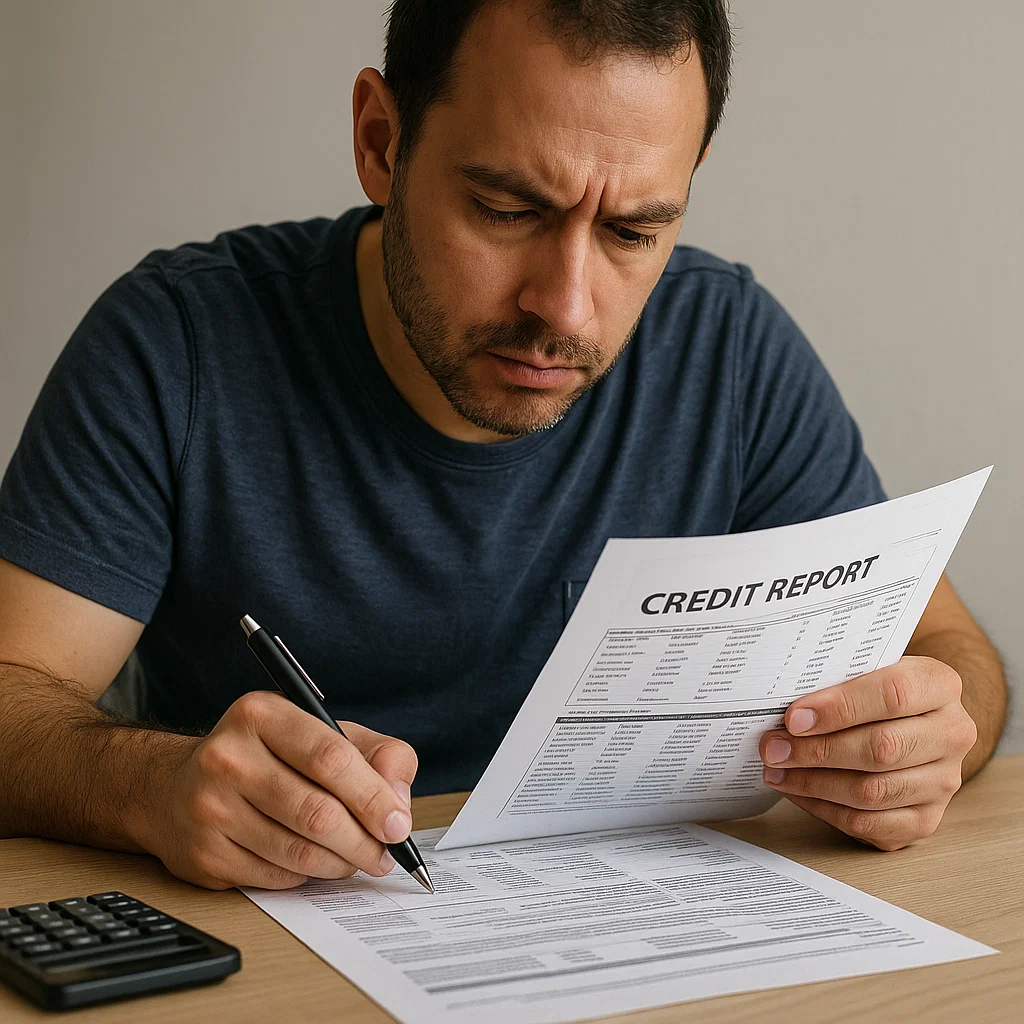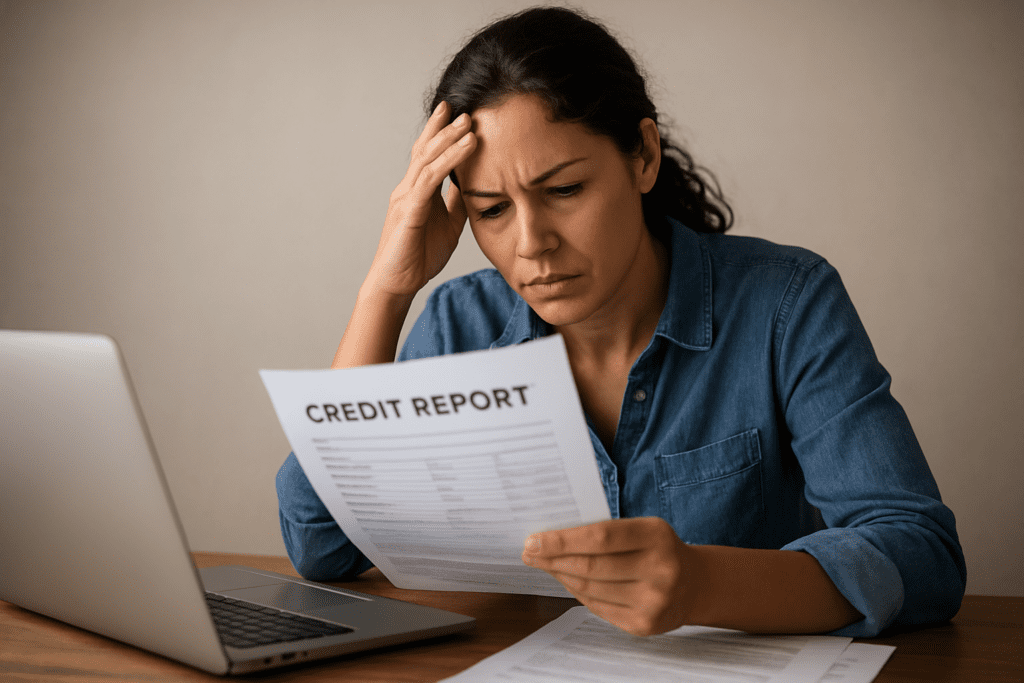

The first time you really look at your credit report is usually when something goes wrong. A denial on a car loan that should have been simple. A landlord who suddenly goes quiet. An interest rate that makes no sense. Then you pull your reports and there it is. A fake account. A “late” payment you know you made. A collection notice for a debt that is not yours.
You can try to clean it up on your own. The forms exist. The websites walk you through basic disputes. Sometimes that works. A lot of the time, it does not. That is when experienced legal help can stop being a nice idea and start looking like the only way to get taken seriously.
Attorneys who handle consumer fraud and credit reporting issues work in this world every day. Credit report abuse, identity theft, debt buyers, and sloppy investigations are not rare events to them. They are patterns. Once you see the pattern, the situation stops feeling random and starts looking fixable.
What Credit Report Abuse Really Looks Like
Credit report abuse is more than one typo on a file. It is what happens when companies ignore the rules that are supposed to keep your reports accurate and fair.
Under the Fair Credit Reporting Act, companies that report information about you have to investigate disputes and correct or delete data that is inaccurate or cannot be verified. Credit bureaus also have duties to check disputes and update reports when something is wrong.
In real life, abuse often looks like this:
- A debt that does not belong to you keeps popping back up
- You send proof, but the response is a form letter that barely mentions your documents
- The same error reappears after being “fixed”
- Negative marks stay on your report long after they should have dropped off
Regulators have called out these habits for years. The Consumer Financial Protection Bureau has reported that some furnishers and credit bureaus keep inaccurate information on reports or run shallow investigations that do not really change anything.
While that may look like paperwork to them, it does not feel that way to you. Bad information on a credit report can raise your car payment, derail a mortgage, increase insurance costs, or make it harder to move or change jobs. It is not just annoying. It is expensive.
Why Legal Help Matters
So where does an attorney or consumer protection advocate come in when the system feels stacked against you?
At a basic level, someone experienced in consumer fraud law knows the difference between a simple mistake and a legal violation. They understand what the Fair Credit Reporting Act and related consumer laws actually require. They also recognize when companies appear to investigate disputes but fail to conduct a meaningful review.
The law gives you the right to dispute inaccurate information, to have it investigated, and to have unverified data corrected or removed. An attorney can take your stack of letters, emails, and reports and turn them into a clear timeline that shows how those rights may have been ignored.
They also bring credibility. When a company hears from yet another frustrated consumer, the case may sit at the bottom of a queue. When the same company receives a detailed letter from someone who knows the law, the deadlines, and the potential consequences of noncompliance, it suddenly has a reason to pay attention.
How a Credit Report Lawyer Builds Your Case
A good attorney does not start with a form. They start with your story.
First, they pull all three of your credit reports and line them up. They look for accounts that do not belong to you, balances that are wrong, duplicate entries, or items that should have aged off. They also examine your past disputes. What did you send? How did the bureaus or furnishers respond? Did they investigate anything, or did they simply repeat the same response?
From there, they can:
- Sort out which errors are likely tied to identity theft, mixed files, or bad data entry
- Collect proof such as police reports, payoff letters, emails, or mailed notices
- Identify which companies are responsible for each piece of inaccurate information
- Match those facts to specific legal duties that may have been violated
For example, when you dispute a debt that is not yours, the company that reported it has to conduct a reasonable investigation. If they cannot verify it, they are supposed to stop reporting it. When the same bogus account shows up month after month, that can be a sign that the investigation was not reasonable at all.
With experienced legal representation in your corner, you are not just saying, “This feels unfair.” You are saying, “This violates a specific rule, here is the proof, and here is what needs to happen.”
When DIY Stops Working And You Need Help
Not every mistake on a credit report requires an attorney. If you catch a small error and you have never disputed it before, you can start with a basic dispute to the credit bureaus and to the company that reported the data. Agencies like the CFPB and FTC offer sample letters and step-by-step guides for that first pass.
The problem is when you do all that and nothing actually changes.
It is usually time to seek legal help when:
- You have disputed the same item more than once and the answer never really changes
- You are clearly dealing with identity theft or a fraud ring using your information
- You have already been denied credit, paid more, or lost an opportunity because of the errors
- The responses you get are confusing, contradictory, or obviously ignoring your documents
At that point, sending one more copy of the same letter is unlikely to move the needle. An attorney can help you decide whether to escalate with stronger demand letters, regulatory complaints, or even a lawsuit in state or federal court if the facts support it.
They also help you think beyond this month’s crisis. Cleaning up the report matters, but so does closing the door on future fraud, monitoring your files, and making sure the same bad data does not bounce back a year later.
Taking The Next Step If Your Credit Report Has Been Abused
If you look at your credit report and it feels like a stranger’s life is printed there, you do not have to keep hoping the next dispute will magically work. An attorney experienced in consumer protection matters can take a messy situation, strip it down to the facts, and use the laws that already exist to push back.
The goal is simple: get the lies and mistakes off your reports, repair the damage as much as possible, and make sure the companies involved understand they cannot keep treating your life like a spreadsheet error.